
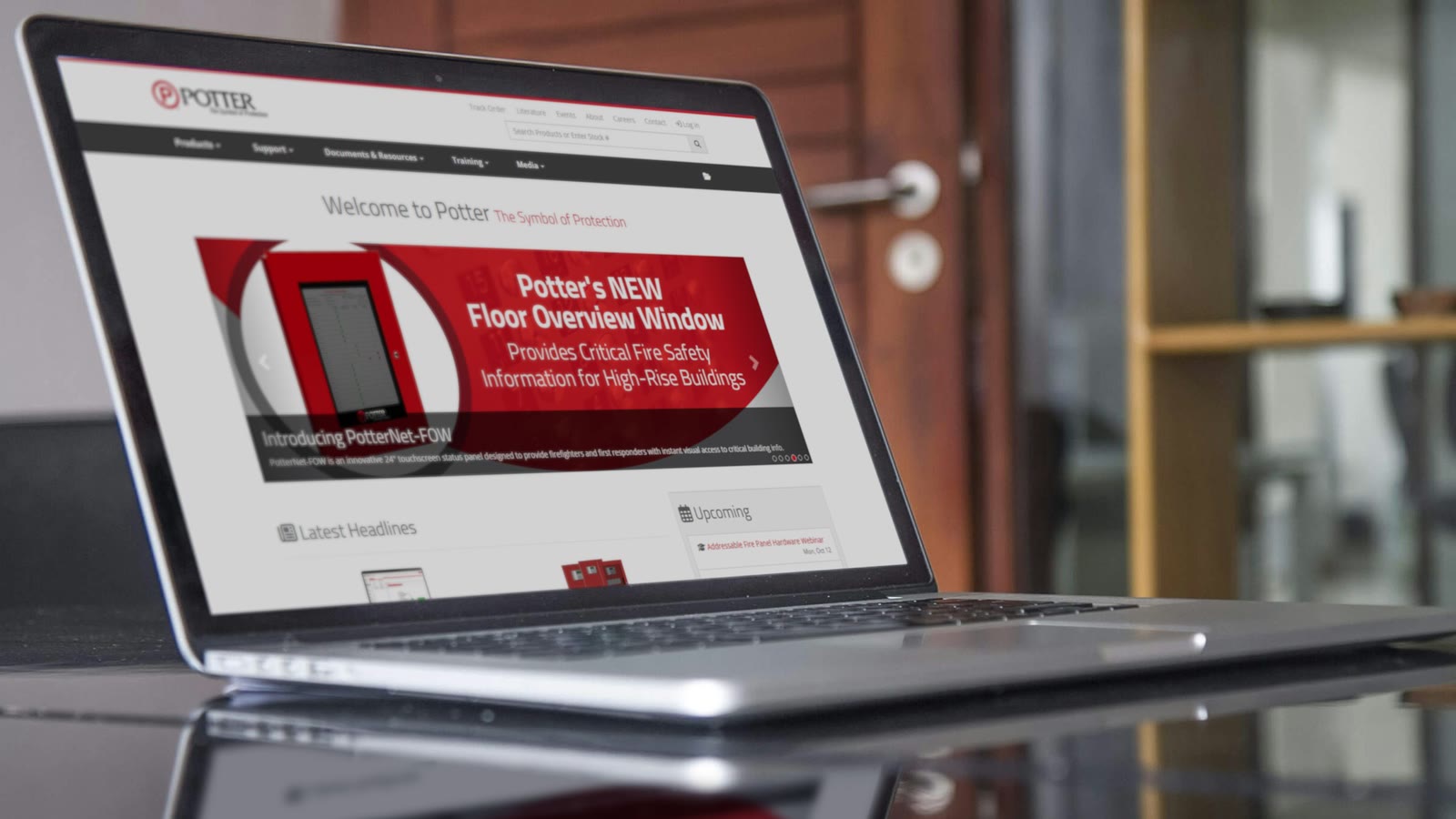
The platforms behind the work, built instead of bought
- Role
- Designer and developer of the website and CMS, then director of the platform’s development
- Scale
- Corporate website, custom CMS, online quoting, customer dashboards, event registration
The Problem:
Creative consistency at speed is a systems problem, and the tools we could buy were not solving it. Third-party event platforms cost too much and did too little.
How I think about itBuild when the need is specific and the capability is in-house. Buy when it isn’t. Research decides which.
A small team with specialized needs can’t afford to be trapped by generic tools. Every new system started with research into what could be bought. Where an off-the-shelf product fit, we bought it. Where the need was specific and we had the skills, we built, which gave us exactly what we needed, our own support, and changes in days rather than quarters.
The website and CMS
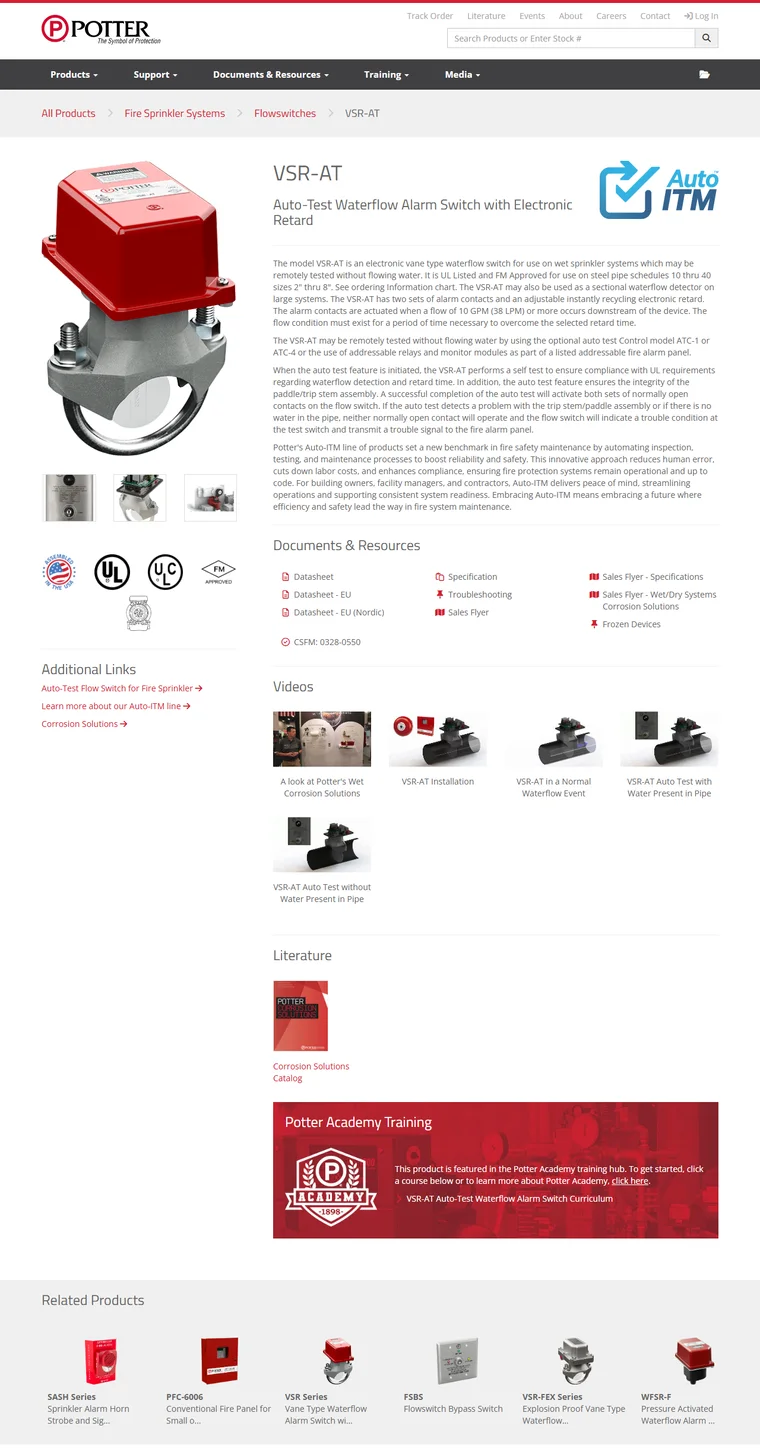
I designed and developed Potter’s corporate website and its content management system from scratch around one principle: product information should be effortless to reach. A fast search spans the entire product database for people who know what they want, and a clear path from category to product serves people who browse.
As the platform grew beyond one person’s capacity, I hired a full-time developer who extended it into a customer-facing platform with online quoting and customer dashboards. I directed that work closely, set the priorities, and encouraged collaborative feedback; the platform is better for the ideas we worked through together.
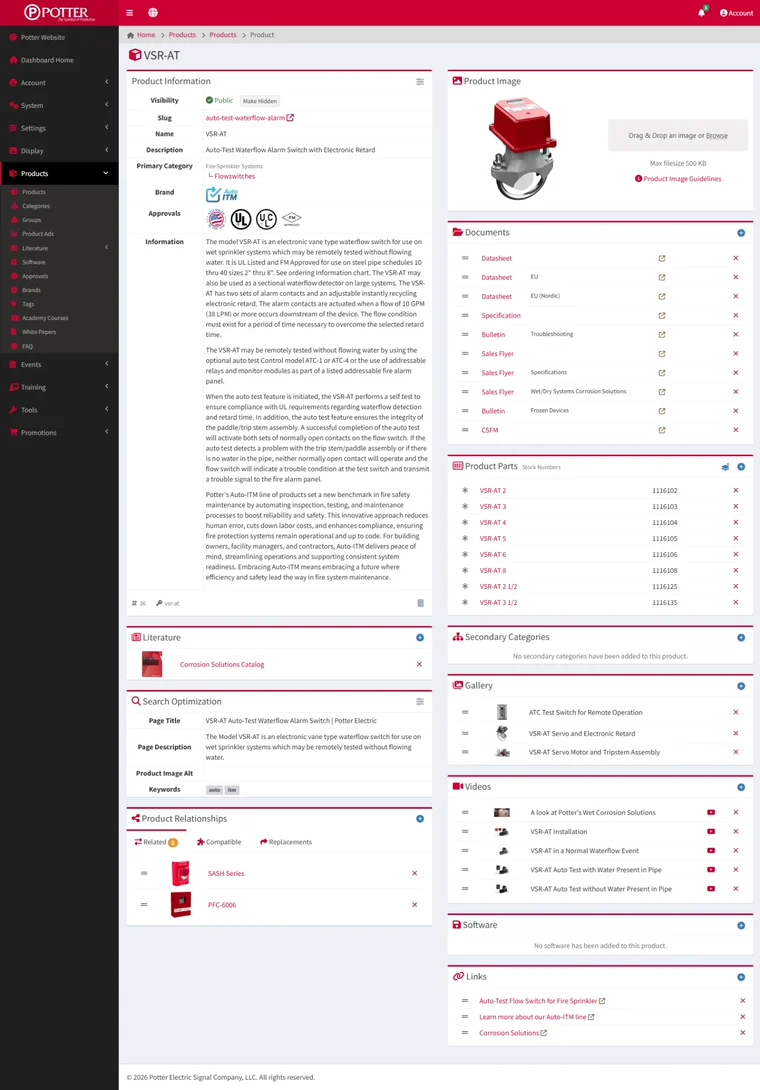
What we manage
What customers see
What the website and CMS does
- Product administrationCategories, sub-categories, and product relationships
- DisplayProduct ads, carousels, and event listings
- SEO and searchSearch optimization and site search management
- Digital assetsDocuments, images, and literature in one library
- News and alertsNews, blog posts, and page alerts
- Rich contentMultimedia, articles, and rich content
- Employee dashboardTools for internal teams
- Customer dashboardCustomer tools and the quoting platform
The conference platform
For the annual conference, leadership favored a commercial event platform. Research and two trials showed those products carried too much we didn’t need, too little we did, and were slow and costly to adapt. I made the case for building our own, and it has run the event since.
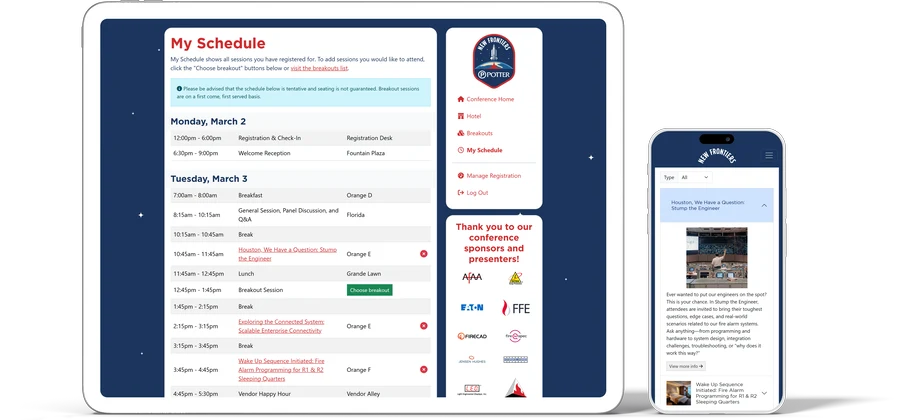
The website and app sit on a back end we control, giving attendees a personal schedule builder, on-site check-in with badge printing that drives activations, digital signage and wayfinding, and custom QR actions. Because the system is ours, we can design bespoke plugins and features around each year’s event, a flexibility no vendor would have allowed. The event itself is covered on the conference page.
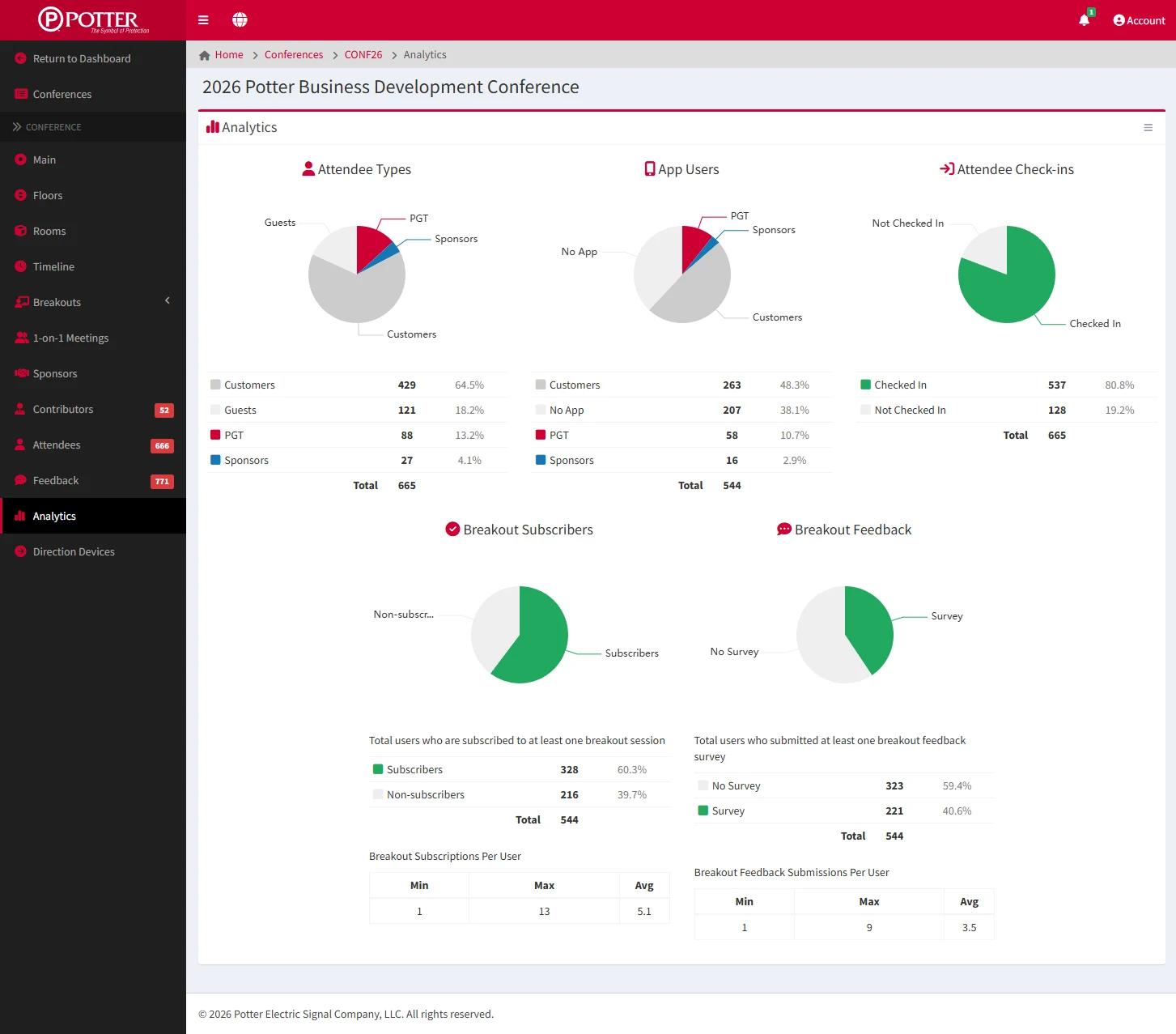
What the conference dashboard does
- Website and appPopulates both with event info
- SchedulingTimelines, sessions, and physical locations
- SessionsSession information, presenters, and required materials
- MeetingsPrivate meetings and round tables
- SponsorsSponsorships and vendor relations
- RegistrationAttendee sign-up, on-site check-in, and badge printing
- Live feedbackOn-site behavior and post-event impressions
- WayfindingDigital signage and in-app directions
- Contact sharingContact exchange and lead capture
- Custom pluginsBespoke activations for that year’s event
Smaller tools, same approach
The same build-when-it-fits thinking produced smaller tools too. They are covered on the video, trade shows, and conference pages.
- TeleprompterDesktop teleprompter software with a phone remote, developed for the video studio
- AI photo boothTurned conference attendees into astronauts; I built the software and the hardware
- Interactive kioskLets trade show visitors explore brands, products, and live demos around the booth
- Solar system displayA planet for every conference attendee, created at check-in and found by badge scan
The Results
- Built around the needa website, CMS, and event platform shaped to how customers and the team actually work
- Changes in days, not quartersnew features built and supported in-house, on our own schedule
- Budget kept for the experiencevendor costs avoided and put back into what customers see
